
Monthly tips, creative ideas, helpful advice, and giveaways—delivered straight to your inbox.
10 Books to Help Kids Understand Bullying, Kindness, and Inclusion
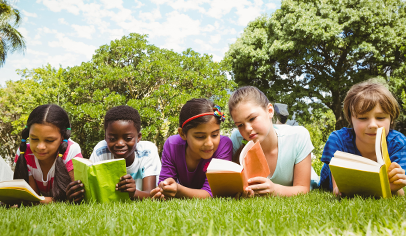
October is National Bullying Prevention Month, but any time of year is a great time to help kids understand bullying, practice kindness, and learn how they can make a difference when someone else is being left out or treated unfairly. Starting with a story can make the conversation feel more natural. Pick a few of these books to read together—and use the stories as a starting point for conversations about treating others with kindness.
1. Spaghetti in a Hot Dog Bun: Having the Courage to Be Who You Are
By Maria Dismondy | Best for: Pre-K–2
Lucy is different from the other kids at school, and one boy in particular makes fun of her for it. This colorful story encourages children to embrace who they are, even when others don’t understand or accept their differences. It’s a great way to talk about being yourself, standing up for what’s right, and treating others with respect.
Talk about it: What makes Lucy different? How does she respond when someone is unkind to her?
2. Each Kindness
By Jacqueline Woodson, illustrated by E. B. Lewis | Best for: K–3
When a new girl named Maya tries to make friends at school, Chloe and her friends repeatedly leave her out. Later, Chloe’s teacher demonstrates how even small acts of kindness can create a ripple effect—and Chloe realizes she may not get another chance to make things right.
This thoughtful story is especially useful for talking about exclusion, regret, empathy, and the importance of choosing kindness in the moment.
Talk about it: Have you ever seen someone being left out? What could you do to help them feel included?
3. The Invisible Boy
By Trudy Ludwig, illustrated by Patrice Barton | Best for: Grades 1–4
Brian often feels invisible at school. He’s overlooked by his classmates and doesn’t seem to fit in—until one small act of friendship helps him begin to feel seen.
This gentle story is a wonderful way to discuss inclusion, loneliness, friendship, and how small gestures can make a big difference. It is also included in anti-bullying book recommendations from OCALI.
Talk about it: What are some ways you can help someone feel noticed and included?
4. Chrysanthemum
By Kevin Henkes | Best for: Pre-K–3
Chrysanthemum loves her unique name—until her classmates begin making fun of it. Her confidence takes a hit, but support from a caring teacher helps her see that being different can be something to celebrate.
It’s a great story for discussing teasing, self-confidence, names and identity, and appreciating what makes each person unique.
Talk about it: How do you think Chrysanthemum felt when her classmates made fun of her name?
5. The Recess Queen
By Alexis O’Neill, illustrated by Laura Huliska-Beith | Best for: Pre-K–3
Mean Jean is the queen of the playground—and everyone knows not to cross her. When a new student arrives, the dynamics on the playground begin to change.
This lively story gives young children an accessible way to talk about playground behavior, intimidation, friendship, and finding positive ways to handle conflict.
Talk about it: What could the other kids do if someone was being bossy or mean on the playground?
6. The Juice Box Bully
By Bob Sornson and Maria Dismondy | Best for: Pre-K–5
Pete arrives at a new school with a reputation for being a bully. But instead of ignoring the behavior, his classmates work together to create a classroom where everyone agrees to stand up for one another.
The book is particularly helpful for discussing the idea that bullying prevention isn’t just the responsibility of the person being targeted—it can involve the whole community.
Talk about it: What does it mean to stand up for someone else?
7. Enemy Pie
By Derek Munson, illustrated by Tara Calahan King | Best for: K–7
A boy thinks he has found the perfect way to deal with his enemy—until his dad gives him an unexpected recipe for changing the situation. As the story unfolds, the boy discovers that getting to know someone can change the way you see them.
It’s a fun way to explore friendship, assumptions, conflict, and the importance of getting to know people before deciding what they’re like. The title is also included on anti-bullying book lists for children.
Talk about it: Have you ever changed your mind about someone after getting to know them?
8. One
By Kathryn Otoshi | Best for: Grades K–4
In this colorful, simple story, the number One discovers that even a small voice can make a difference when someone is being pushed around. The book uses colors and numbers to introduce young readers to ideas about standing up for others, acceptance, and the power of working together.
Talk about it: What can you do if you see someone being treated unfairly?
9. Bully
By Patricia Polacco | Best for: Grades 2–5
This story follows Lyla, a girl who finds herself caught up in bullying at school after making a new group of friends. It explores how quickly kids can become involved in hurtful behavior—and how important it is to recognize when something has gone too far.
It’s a good choice for older elementary readers who are ready to discuss peer pressure, friendship, social media, and making responsible choices. The book is included in OCALI’s anti-bullying recommendations for Grades 2–5.
Talk about it: Why might someone go along with a group even when they know something isn’t right?
10. Wonder
By R. J. Palacio | Best for: Grades 4–6
Auggie Pullman is starting school for the first time after being homeschooled because of a facial difference. As he navigates friendships, unkind behavior, and the challenges of fitting in, the story encourages readers to consider what it means to choose kindness.
Wonder is especially appropriate for older elementary readers and can open conversations about empathy, differences, friendship, courage, and choosing kindness even when others don’t.
Talk about it: What does it mean to “choose kind”? How can you show kindness when your friends aren’t?
Keep the Conversation Going
Reading a book about bullying doesn’t have to be a one-time conversation. After reading, ask your child questions like:
- How do you think that character felt?
- What could the other kids have done differently?
- Have you ever seen something like this happen?
- What would you do if you saw someone being left out?
- Who is a trusted adult you could talk to if you or someone else was being bullied?
Most importantly, remind kids that they don’t have to handle bullying situations alone. Encouraging children to seek help from a trusted adult can be an important part of keeping themselves and others safe.
So grab a book, get cozy, and start a conversation. You never know how one small story—or one small act of kindness—might make a difference.

Monthly tips, creative ideas, helpful advice, and giveaways—delivered straight to your inbox.